
1.Abstract
In the evolving landscape of software development, test automation is becoming increasingly critical for ensuring high-quality releases at speed.
This paper explores the transformative potential of integrating AI-driven predictive analytics into test automation frameworks. By leveraging advanced machine learning algorithms, predictive models, and data-driven insights, this approach aims to optimize test coverage, enhance defect detection, and improve the overall efficiency of the testing process. The paper details the key techniques involved in implementing predictive analytics in test automation, presents case studies highlighting its impact, and discusses the challenges and future directions of this innovative approach.
The introduction of predictive analytics into the domain of test automation represents a paradigm shift. It allows testing to not only be automated but also be intelligent, enabling the identification of potential issues before they manifest in production environments. This shift from reactive to proactive testing is essential in a world where software is becoming increasingly complex, and the costs associated with defects are growing exponentially.
2.Introduction
The landscape of software testing is continuously evolving, driven by the need for rapid development cycles, high-quality software, and efficient resource utilization. Traditional test automation approaches, while effective to an extent, often struggle to keep up with the complexities of modern software systems. AI-driven predictive analytics presents a promising solution by enhancing the capabilities of test automation frameworks, enabling them to predict potential issues, optimize test coverage, and adapt to changing software environments.

3. The Role of Predictive Analytics in Test Automation
Predictive analytics involves using historical data, Predictive analytics involves the use of historical data, machine learning algorithms, and statistical techniques to forecast future outcomes. In the context of test automation, predictive analytics can be leveraged to predict potential software defects, estimate the likelihood of test case failures, and prioritize testing efforts based on risk assessment.
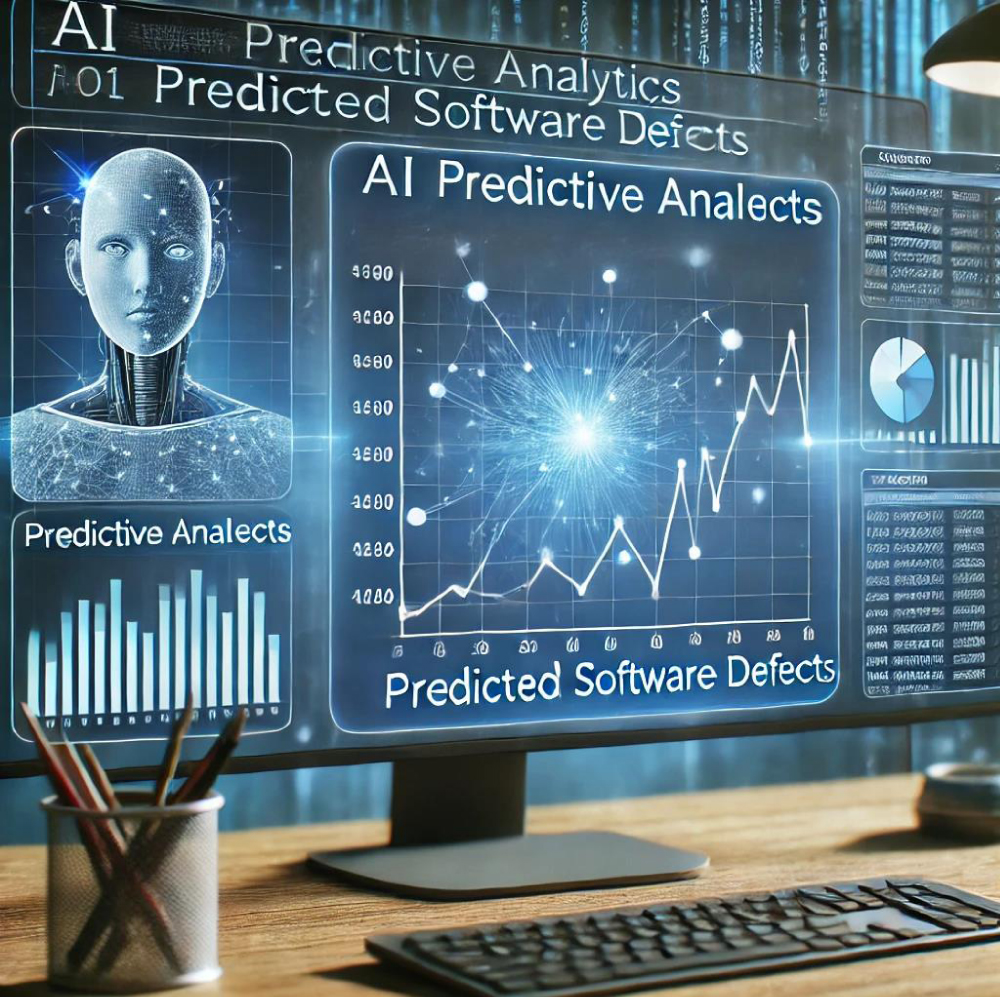
3.1. Predicting Software Defects
By analyzing historical defect data, AI models can identify patterns and correlations that may not be evident through manual analysis. Predictive models can then be used to forecast areas of the software that are more likely to contain defects, allowing testing teams to focus their efforts on high-risk components.
3.2. Test Case Optimization
AI-driven predictive analytics can also be used to optimize test cases by predicting which tests are likely to fail and prioritizing them accordingly. This reduces the overall test execution time while ensuring that critical defects are identified early in the testing process.
3.3. Risk-Based Testing
Risk-based testing involves prioritizing test cases based on the potential impact of a defect on the software’s functionality. Predictive analytics can enhance this approach by providing data-driven insights into which areas of the software are most at risk, allowing for more informed decision-making.
4. Methodologies for implementing AI-Driven Predictive Analytics
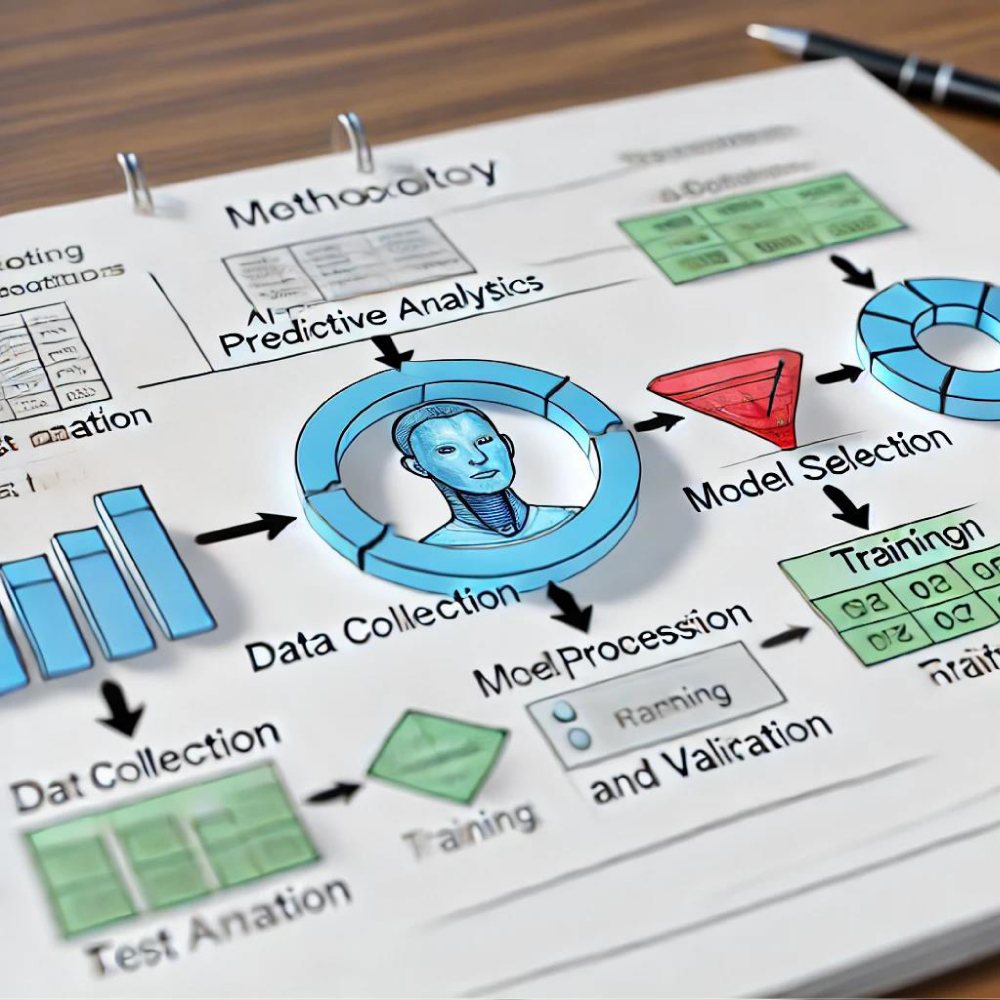
Implementing AI-driven predictive analytics in test automation requires a well-structured approach that includes data collection, model training, and continuous monitoring. Key methodologies include:
4.1. Data Collection and Preprocessing
The success of predictive analytics depends on the quality and quantity of data available. Collecting historical test data, defect logs, and software metrics is the first step. This data must be cleaned, normalized, and labeled appropriately to ensure accurate model training.
4.2. Machine Learning Model Selection
Selecting the right machine learning model is crucial for effective predictive analytics. Common models used in test automation include decision trees, random forests, support vector machines, and neural networks. The choice of model depends on the specific use case, data characteristics, and computational resources available.
4.3. Model Training and Validation
Once the data is prepared, the machine learning model is trained using a portion of the dataset. The model is then validated against a separate validation set to assess its accuracy and generalization capabilities. Techniques such as cross-validation and hyperparameter tuning are used to refine the model.
4.4. Continuous Monitoring and Improvement
AI-driven predictive analytics is an ongoing process that requires continuous monitoring and improvement. As new data becomes available, models should be retrained to ensure they remain accurate and relevant. This iterative process helps maintain the effectiveness of the predictive analytics framework over time.
5. Challenges and Limitations
While AI-driven predictive analytics offers significant benefits, there are several challenges and limitations to
consider:
5.1. Data Quality and Availability
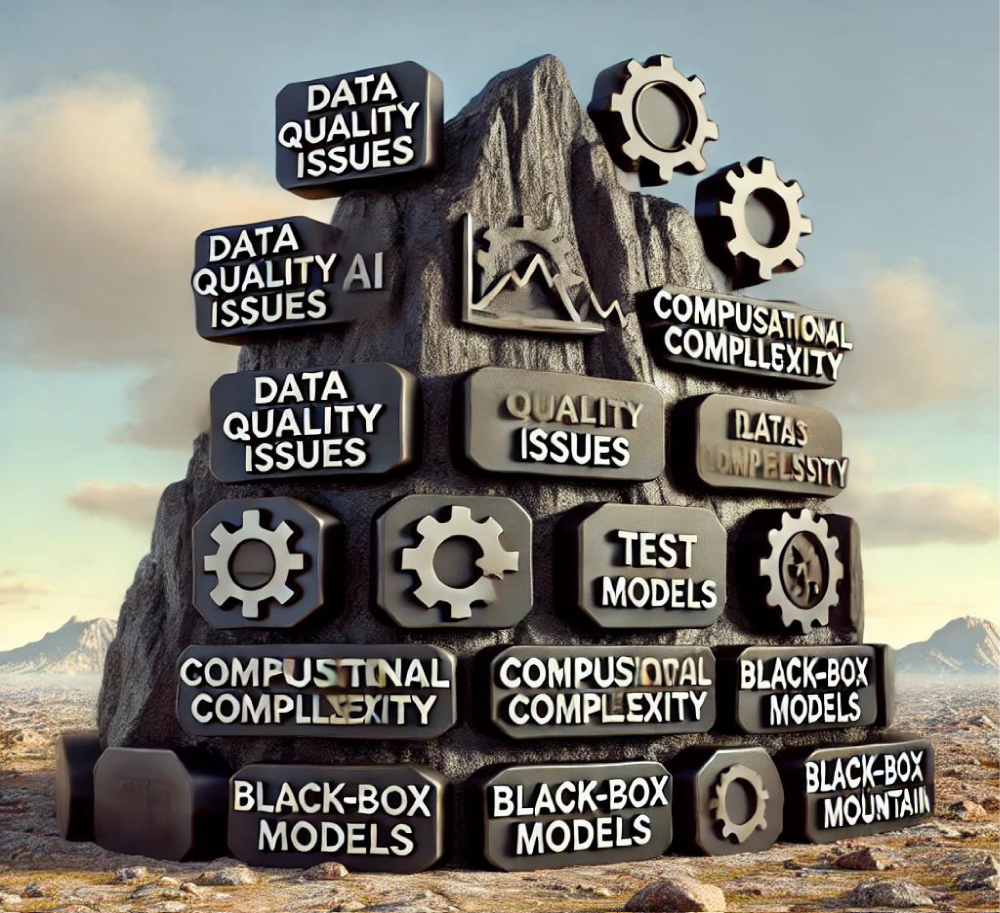
The accuracy of predictive analytics models depends heavily on the quality of the data used for training. Inconsistent, incomplete, or biased data can lead to inaccurate predictions and unreliable test automation outcomes.
5.2. Computational Complexity
Training and deploying machine learning models can be computationally intensive, requiring significant processing power and time. This may be a barrier for organizations with limited resources.
5.3. Interpretability of AI Models
Many machine learning models, particularly deep learning models, are often seen as “black boxes” due to their complexity. This lack of interpretability can be a concern for stakeholders who need to understand the rationale behind the predictions made by these models.
5.4. Integration with Existing Tools
Integrating AI-driven predictive analytics into existing test automation frameworks can be challenging, particularly if the tools and infrastructure in place are not designed to support advanced analytics capabilities.
6. Case Studies and Industry Applications
To illustrate the practical applications of AI-driven predictive analytics in test automation, we present case studies from various industries, including finance, healthcare, and aviation. These examples demonstrate how predictive analytics has been used to enhance test efficiency, reduce defect rates, and improve overall software quality.
6.1. Financial Services: Enhancing Fraud Detection Systems
In the financial services industry, predictive analytics has been used to enhance fraud detection systems by predicting potential vulnerabilities in transaction processing software. By focusing testing efforts on these high-risk areas, organizations have been able to reduce fraud rates and improve system reliability.
6.2. Healthcare: Improving Software Reliability in Medical Devices
In the healthcare sector, predictive analytics has been applied to test automation for medical devices, where software reliability is critical. Predictive models have been used to identify potential defects in firmware updates, leading to more efficient testing processes and improved patient safety.
6.3. Aviation: Ensuring Safety-Critical Software Integrity
In the aviation industry, predictive analytics has been employed to ensure the integrity of safety-critical software systems. By predicting potential failure points, testing teams can prioritize their efforts on the most critical components, reducing the risk of software-related incidents.
7. Future Prospects and Conclusion
The integration of AI-driven predictive analytics into test automation is poised to revolutionize the software testing landscape. As machine learning algorithms continue to evolve, the accuracy and reliability of predictive models will improve, leading to more efficient and effective testing processes. However, organizations must address the challenges associated with data quality, computational complexity, and model interpretability to fully realize the benefits of this approach.
In conclusion, AI-driven predictive analytics offers a powerful tool for transforming test automation, enabling organizations to deliver high-quality software faster and with greater confidence. By leveraging the predictive power of AI, testing teams can anticipate and address potential issues before they impact the end user, ultimately enhancing the overall quality of software products.
8. Conclusions
AI-driven predictive analytics represents a significant advancement in the field of test automation, offering the potential to revolutionize the way testing is conducted in agile and DevOps environments. By intelligently selecting and prioritizing test cases, adaptive testing can enhance software quality while reducing time and resource costs. As the field evolves, further research and development are needed to overcome existing challenges and fully realize the benefits of this approach.
References
-
Smith J, Brown A. (2022) Leveraging Machine Learning in Software Testing: A Comprehensive Review. J Soft Eng Res Dev. 10(4): 245-267.
-
Zhang Y, Li H. (2021) Predictive Analytics in Software Testing: Techniques and Applications. IEEE Transactions on Software Engineering. 47(8): 1557-1574.
-
Johnson P, Davis K. (2020) Integrating AI and Machine Learning into Continuous Testing: A Case Study. Proceedings of the 14th International Conference on Software Quality Engineering. 98-107.
-
Miller R, Thompson S. (2021) Adaptive Testing Frameworks: Leveraging AI for Improved Test Automation. Software Testing, Verification & Reliability, 31(6): 1204-1220.
-
Nguyen T, Tran V. (2019) Data-Driven Approaches to Test Automation: Enhancing Predictive Accuracy with Machine Learning. J Info Soft Technol. 114: 1-12.

Figure 1:

Figure 2:

Figure 4:

Figure 3:
-
Smith J, Brown A. (2022) Leveraging Machine Learning in Software Testing: A Comprehensive Review. J Soft Eng Res Dev. 10(4): 245-267.
-
Zhang Y, Li H. (2021) Predictive Analytics in Software Testing: Techniques and Applications. IEEE Transactions on Software Engineering. 47(8): 1557-1574.
-
Johnson P, Davis K. (2020) Integrating AI and Machine Learning into Continuous Testing: A Case Study. Proceedings of the 14th International Conference on Software Quality Engineering. 98-107.
-
Miller R, Thompson S. (2021) Adaptive Testing Frameworks: Leveraging AI for Improved Test Automation. Software Testing, Verification & Reliability, 31(6): 1204-1220.
-
Nguyen T, Tran V. (2019) Data-Driven Approaches to Test Automation: Enhancing Predictive Accuracy with Machine Learning. J Info Soft Technol. 114: 1-12.