
1.Abstract
As cloud computing continues to dominate the IT landscape, ensuring security and reliability within cloud environments has become increasingly critical. This paper explores the role of machine learning (ML) in enhancing advanced threat detection and test automation within cloud environments. By integrating ML algorithms into cloud security and test automation frameworks, organizations can proactively identify and mitigate potential threats, optimize testing processes, and ensure robust security postures. This paper delves into the methodologies, benefits, challenges, and future prospects of leveraging ML for these purposes, supported by case studies and industry applications.
2.Keywords
Machine Learning (ML), Cloud Security, Advanced Threat Detection, Test Automation, Anomaly Detection,
Predictive Analytics, Automated Threat Response, Test Case Optimization, Adaptive Testing, Data Privacy,
Model Interpretability, Continuous Monitoring, Fraud Detection, Healthcare Data Security, Autonomous Test
Automation.
3. Introduction
The rapid adoption of cloud computing has revolutionized how organizations manage and deploy IT resources. However, this shift has also introduced new security challenges and complexities in software testing. Traditional security measures and test automation strategies often struggle to keep pace with the dynamic and distributed nature of cloud environments. Machine learning, with its ability to analyze vast amounts of data and identify patterns, offers a powerful solution for both threat detection and test automation in the cloud.
4. The Role of Machine Learning in Cloud Security

Machine learning algorithms have proven effective in identifying and mitigating advanced threats in cloud environments. These algorithms analyze large datasets, detect anomalies, and predict potential security breaches before they occur. Key applications of ML in cloud security include:
4.1. Anomaly Detection
ML algorithms can identify unusual patterns of behavior in cloud environments, such as unexpected spikes in network traffic or unauthorized access attempts. These anomalies are often indicators of potential security threats, such as distributed denial-of-service (DDoS) attacks or insider threats.
4.2. Predictive Analytics
By analyzing historical security data, ML models can predict future security incidents. This predictive capability allows organizations to take preemptive measures, such as patching vulnerabilities or adjusting security policies, to prevent potential attacks.
4.3. Automated Threat Response

ML-driven systems can automate the response to detected threats, reducing the time it takes to contain and
mitigate security incidents. This automation is crucial in cloud environments, where threats can propagate rapidly across distributed networks.
5. Machine Learning in Test Automation for Cloud Environments
The complexity and scale of cloud environments pose significant challenges for traditional test automation. ML can enhance test automation by optimizing test casegeneration, predicting test failures, and adapting testing
processes in real time.
5.1. Test Case Optimization
ML algorithms can analyze previous test execution data to identify the most critical test cases, reducing the overall number of tests while ensuring comprehensive coverage. This optimization is particularly valuable in cloud environments, where resources must be efficiently allocated.
5.2. Predicting Test Failures
By analyzing patterns in test execution data, ML models can predict which tests are likely to fail, allowing testing teams to focus their efforts on resolving high-risk issues. This predictive capability enhances the efficiency of test automation processes.
5.3. Adaptive Testing
Cloud environments are dynamic, with resources and configurations constantly changing. ML-driven test automation frameworks can adapt to these changes in real time, ensuring that testing processes remain relevant and effective.
6. Methodologies for Implementing Machine Learning in Cloud Environments
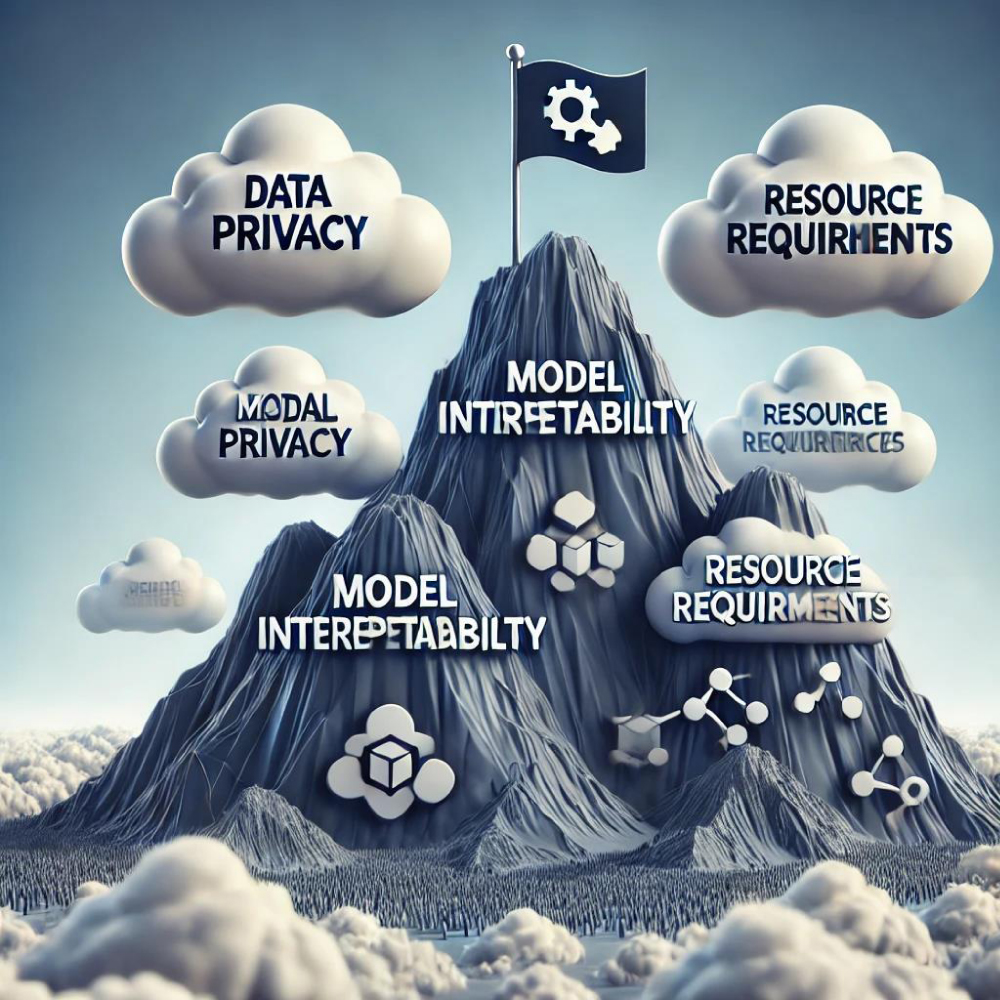
Integrating machine learning into cloud security and test automation requires a structured approach that includes data collection, model development, and continuous monitoring.
6.1. Data Collection and Preprocessing
High-quality data is essential for training ML models. In cloud environments, data sources include network logs, user activity records, and test execution data. This data must be cleaned, labeled, and normalized before being used to train ML models.
6.2. Model Development
Choosing the right ML model is critical for achieving accurate predictions and detections. Common models used in cloud security and test automation include decision trees, random forests, and neural networks. The model must be trained and validated using historical data to ensure its effectiveness.
6.3. Continuous Monitoring and Improvement
Cloud environments are constantly evolving, requiring continuous monitoring and retraining of ML models. This ongoing process ensures that the models remain effective in identifying new threats and optimizing testing processes.
7. Challenges and Limitations
While ML offers significant benefits for cloud security and test automation, there are also challenges and limitations to consider:
7.1. Data Privacy and Security
ML models require access to large amounts of data, which can raise concerns about data privacy and security. Organizations must ensure that sensitive information is protected and that data collection complies with relevant regulations.
7.2. Model Interpretability
ML models, especially deep learning models, can be complex and difficult to interpret. This lack of transparency can be a barrier to gaining stakeholder trust and ensuring regulatory compliance.
7.3. Resource Requirements
Training and deploying ML models in cloud environments can be resource-intensive, requiring significant computational power and storage. Organizations must carefully manage these resources to avoid excessive costs.
8. Case Studies and Industry Applications
To illustrate the practical applications of ML in cloud security and test automation, we present case studies from various industries:
8.1. Finance: Enhancing Fraud Detection
In the finance industry, ML has been used to enhance fraud detection systems within cloud environments. By analyzing transaction data and identifying anomalies, ML-driven systems can detect fraudulent activities in real time, reducing financial losses.
8.2. Healthcare: Securing Patient Data
In healthcare, ML algorithms have been employed to secure patient data stored in the cloud. These algorithms detect unauthorized access attempts and predict potential breaches, ensuring compliance with data protection regulations.
8.3. Technology: Optimizing Cloud-Based Testing
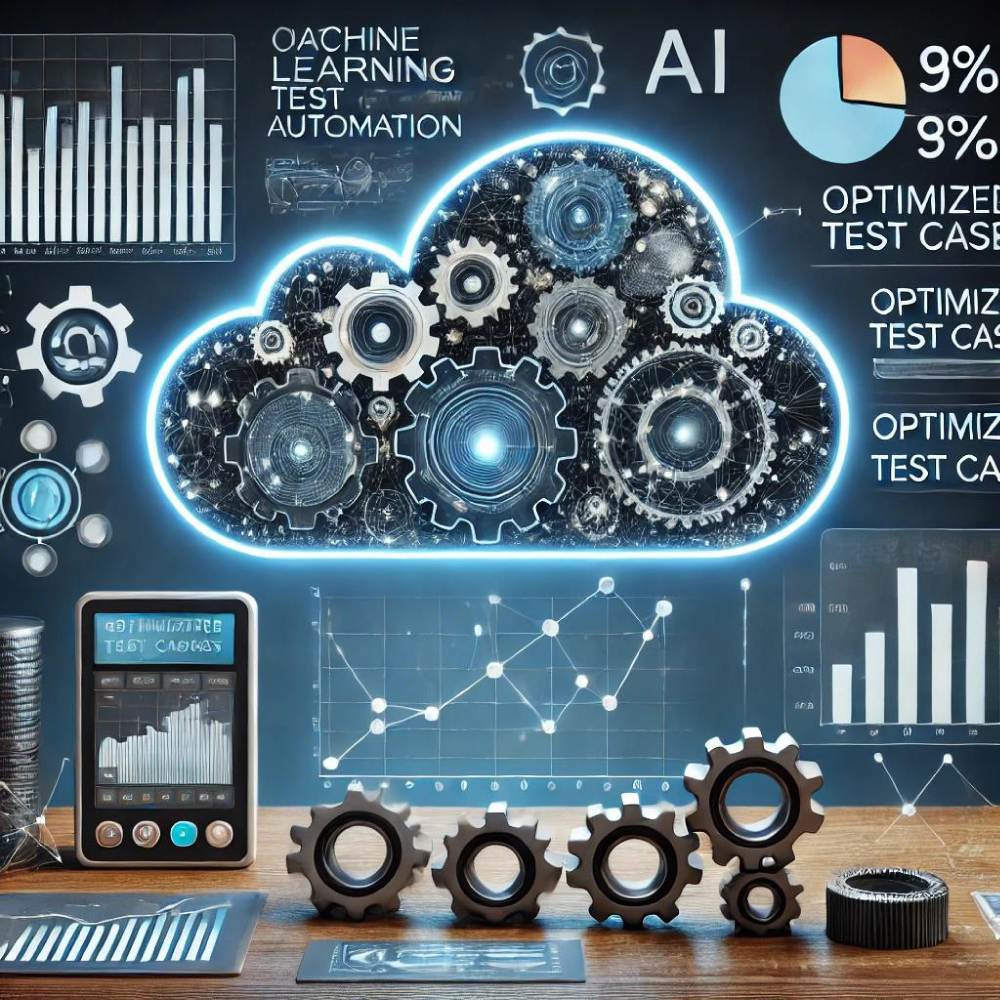
In the technology sector, ML-driven test automation frameworks have been used to optimize cloud-based testing processes. These frameworks adapt to changing cloud configurations, ensuring that software releases are thoroughly tested and free of defects.
9. Future Prospects and Conclusion
The integration of machine learning into cloud security and test automation is still in its early stages, but its potential is vast. As ML algorithms continue to improve, we can expect to see even more sophisticated threat
detection systems and test automation frameworks. Future advancements may include:
9.1. Enhanced Threat Intelligence
As ML models become more sophisticated, they will be able to analyze a wider range of data sources, including external threat intelligence feeds, to provide more comprehensive threat detection and response capabilities.

9.2. Autonomous Test Automation
The future of test automation may involve fully autonomous systems that can design, execute, and adapt test cases without human intervention. These systems will be able to keep pace with the rapid changes in cloud environments, ensuring continuous software quality.
9.3. Improved Collaboration Between AI and Human Experts
While ML models can provide valuable insights, human expertise will remain crucial. Future developments may focus on improving collaboration between AI systems and human security analysts and testers, combining the strengths of both to enhance cloud security and software quality.
In conclusion, machine learning offers powerful tools for enhancing threat detection and test automation in cloud environments. By leveraging ML, organizations can proactively identify and mitigate threats, optimize testing processes, and ensure robust security postures. As cloud computing continues to evolve, the integration of ML will be essential for maintaining the security and reliability of these critical systems.
10. Conclusions
The integration of machine learning into cloud security and test automation represents a significant advancement in how organizations can safeguard their cloud environments and ensure the reliability of their applications. Machine learning’s ability to analyze vast datasets, detect anomalies, and predict potential threats provides a proactive approach to cybersecurity. By automating threat detection and response, organizations can significantly reduce the time it takes to address security incidents, thereby minimizing potential damage.
In test automation, machine learning enhances the efficiency and effectiveness of testing processes. By optimizing test case selection, predicting test failures, and adapting to dynamic cloud environments, ML-driven frameworks ensure comprehensive test coverage while reducing the time and resources required for testing.
Despite these advancements, challenges such as data privacy, model interpretability, and resource requirements must be carefully managed. The successful deployment of machine learning in cloud environments requires a structured approach to data management, model development, and continuous monitoring.
Looking ahead, the future of cloud security and test automation will likely see further integration of machine learning, leading to more autonomous and intelligent systems. Enhanced threat intelligence, fully autonomous test automation, and improved collaboration between AI and human experts are on the horizon. These developments will not only enhance security and reliability but also drive innovation in how cloud environments are managed and protected.
In conclusion, leveraging machine learning for advanced threat detection and test automation in cloud environments is not just a trend but a necessity for organizations aiming to maintain robust security postures and deliver high-quality software. As cloud computing continues to evolve, the role of machine learning will become increasingly central, offering powerful tools to meet the challenges of the future.
References

Figure 1:

Figure 2:

Figure 3:

Figure 4:
