
Abstract
Abstract
This research explores using wearable devices and data systems to improve outcomes for diabetic patients. It utilizes continuous glucose monitors, fitness trackers, and smartwatches to collect real-time data on blood sugar levels, physical activity, and sleep patterns. The data is absorbed, stored, and analyzed using a cloud-based infrastructure, enabling the development of predictive models for personalized care. Machine learning algorithms predict glucose trends and provide tailored recommendations. An initial field test evaluates the system’s impact on patient results, adherence, and satisfaction. The results show significant improvements in glucose control and overall well being. Future research will focus on scaling the system, adding more health metrics, and refining predictive models. This work highlights the potential of combining wearable technology with advanced data analysis to enhance diabetes management and patient quality of life.
Figures
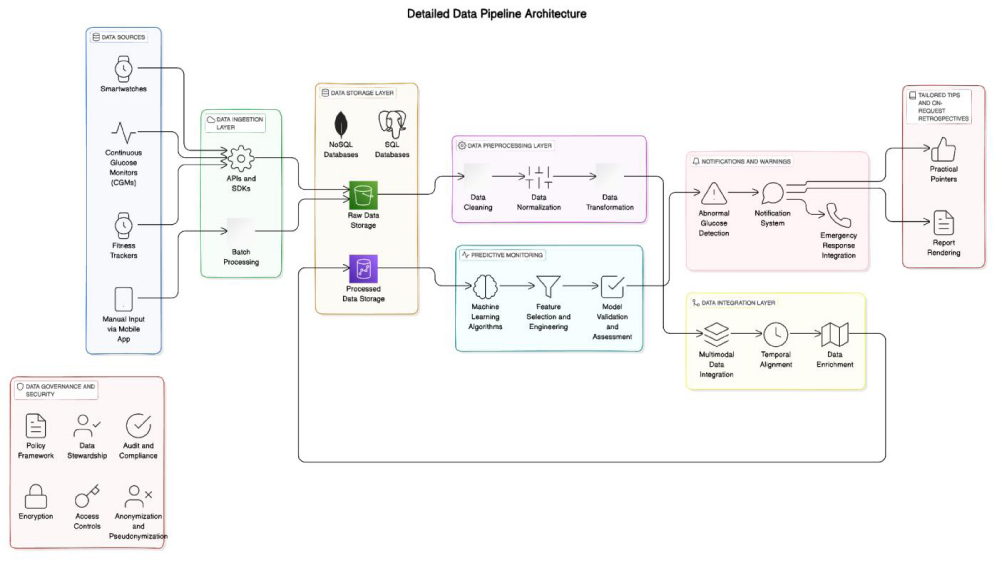
Figure 1: Detailed Data Pipeline Architecture
References
-
Neha Rajawat, Bharat Singh, Hada Soniya, et al. (2022) Diabetes Mellitus Prediction: An Efficient Pipeline of Data Imputation and Oversampling. International Journal of Modeling, Simulation, and Scientific Computing.
-
Anatoli Berezovsky (2022) How Well are Caring for our Patients with Diabetes – Moving from Tracking Processes to Measuring Outcomes. Annals of Family Medicine.
-
Michal Fishel, Bartal Joycelyn, A Ashby, et al. (2022) The association between continuous glucose metrics and adverse outcomes in individuals undergoing gestational diabetes screening. American Journal of Obstetrics and Gynecology, 228(1): S703-S704.
-
Yinan Mao, Kyle Xin, Quan Tan, et al. (2022) Stratification of Patients with Diabetes Using Continuous Glucose Monitoring Profiles and Machine Learning. Health Data Science.
-
Amine Rghioui, Jaime Lloret, Lorena Parra-Boronat, et al. (2019) Glucose Data Classification for Diabetic Patient Monitoring. Applied Sciences, 9(20): 1-15.
-
Shadi AlZu'bi, Mohammad W, Elbes Ala, et al. (2023) Diabetes Monitoring System in Smart Health Cities Based on Big Data Intelligence. Future Internet, 15(2): 85.