
Abstract
Abstract
Agriculture and animal husbandry play an important role in the way of life around the world, highlighting the
importance of timely diagnosis and treatment. Development of disease detection system in cows using deep learning
represents a significant milestone in veterinary medicine and livestock management. By leveraging advanced deep
learning algorithms, this system has demonstrated remarkable capabilities in accurately identifying and classifying diseases in cows based on visual symptoms extracted from images. As the existing systems have shown promising results, there are several avenues for future enhancements that can further elevate its effectiveness and impact. Firstly, expanding the dataset to include wider range of diseases prevalent in cows can enhance the system’s ability to detect and classify broader spectrum of health issues. Additionally including multi modal data sources such as genetic, environmental and behavioral data can provide more comprehensive insights into animal health and improve disease prediction accuracy. Implementing real-time monitoring capabilities and alerts can enable immediate detection of disease outbreaks, facilitating proactive intervention by farmers and veterinarians. Continuous model training using incoming data can ensure that the system remains adaptive to evolving disease patterns. Early detection is crucial for all living beings, the urgency in animal health surpasses even that of human welfare. Convolutional neural networks (CNNs) are known for their ability to extract important features from images and provide a promising approach to computer vision field. This paper presents a novel method based on CNN to predict cattle diseases by analyzing and classifying input images. Using a specially designed CNN, the system increases disease identification accuracy. In addition, after the disease is detected, the system can facilitate treatment by providing users with detailed information about nearby doctors and hospitals. With an accuracy rate of 83%, the system represents a step forward in veterinary medicine and disease prevention and detection.
Figures
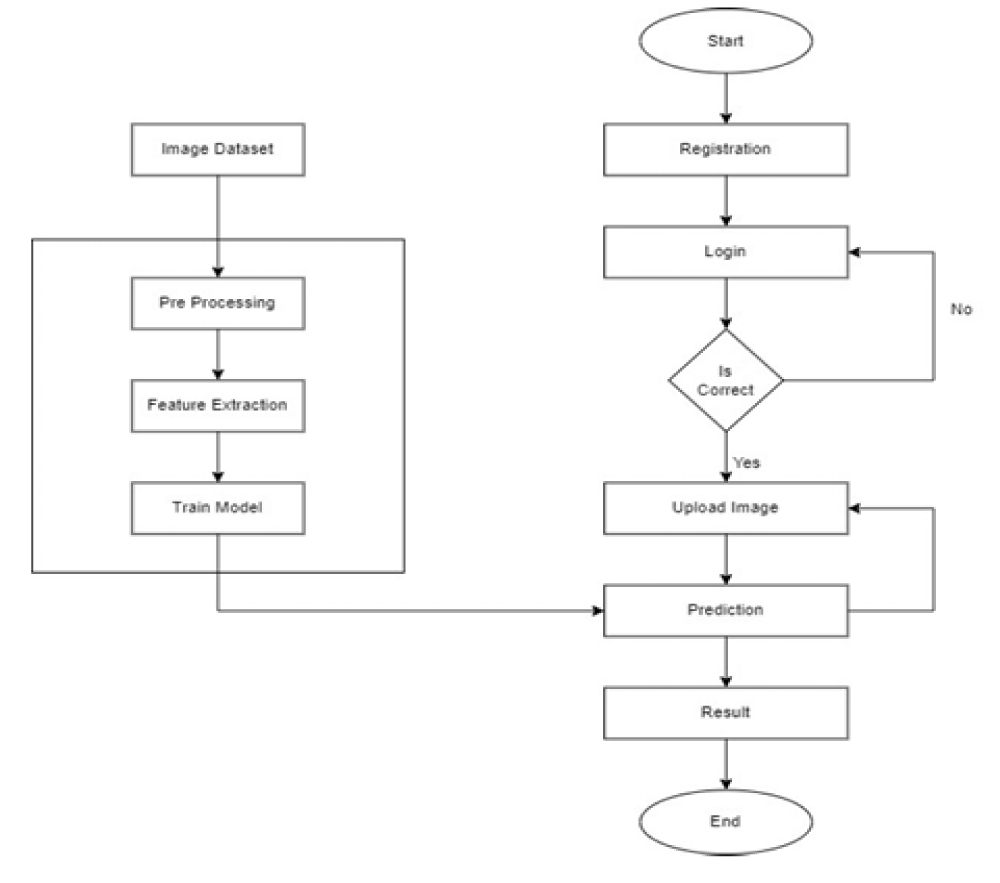
Figure 1: Proposed disease detection system.
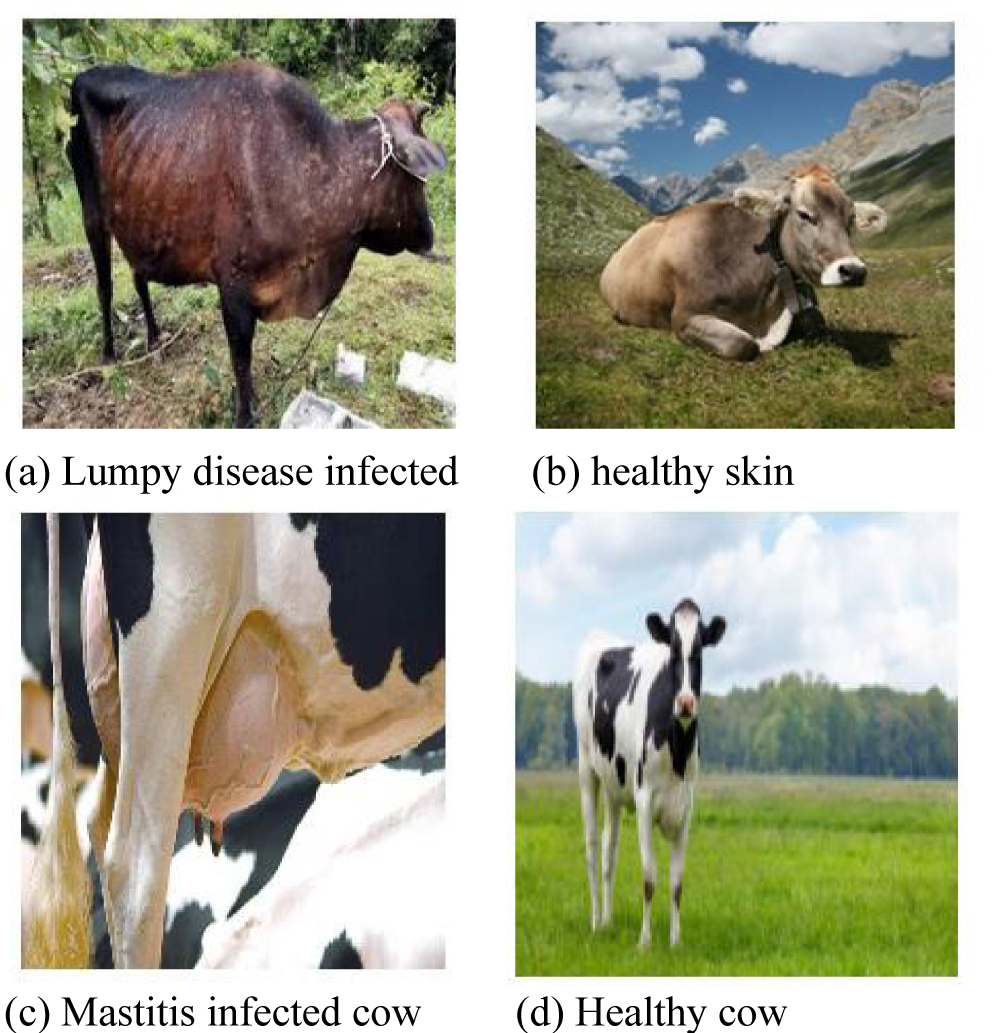
Figure 2: Cow images.
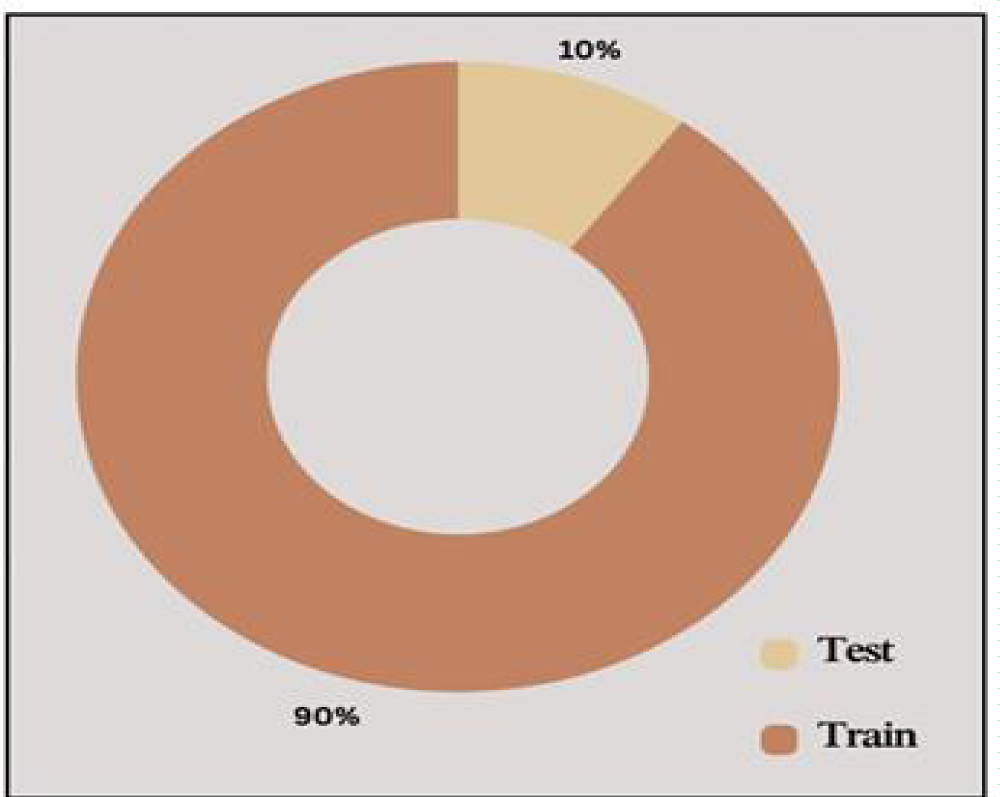
Figure 3: Data distribution
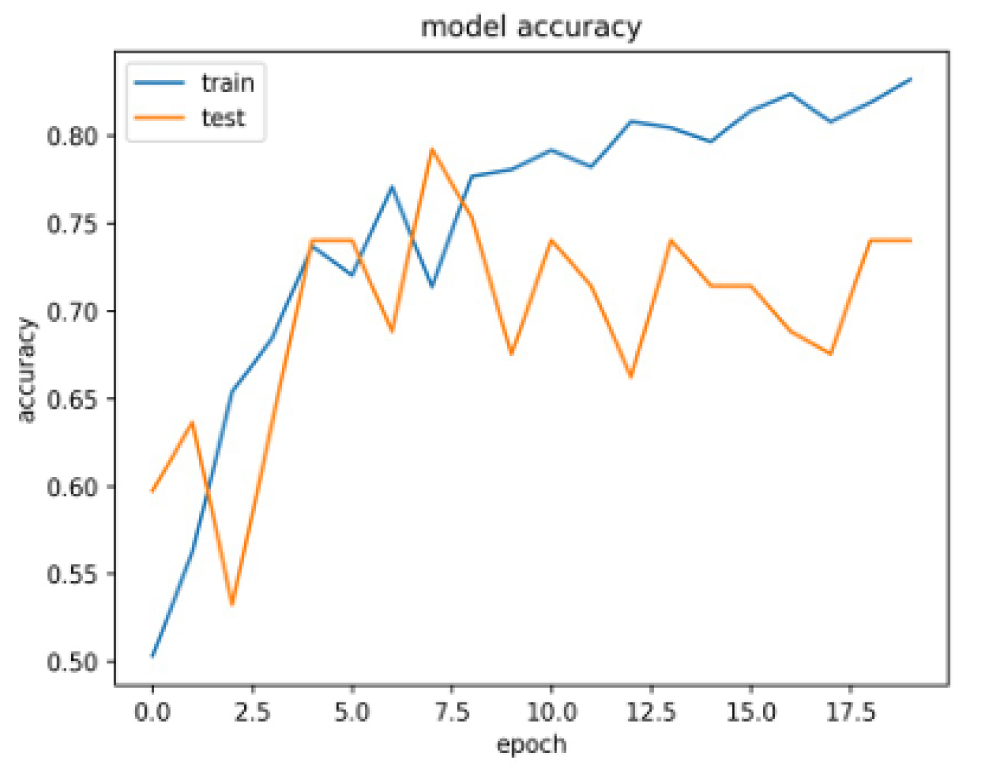
Figure 4: Accuracy graph.
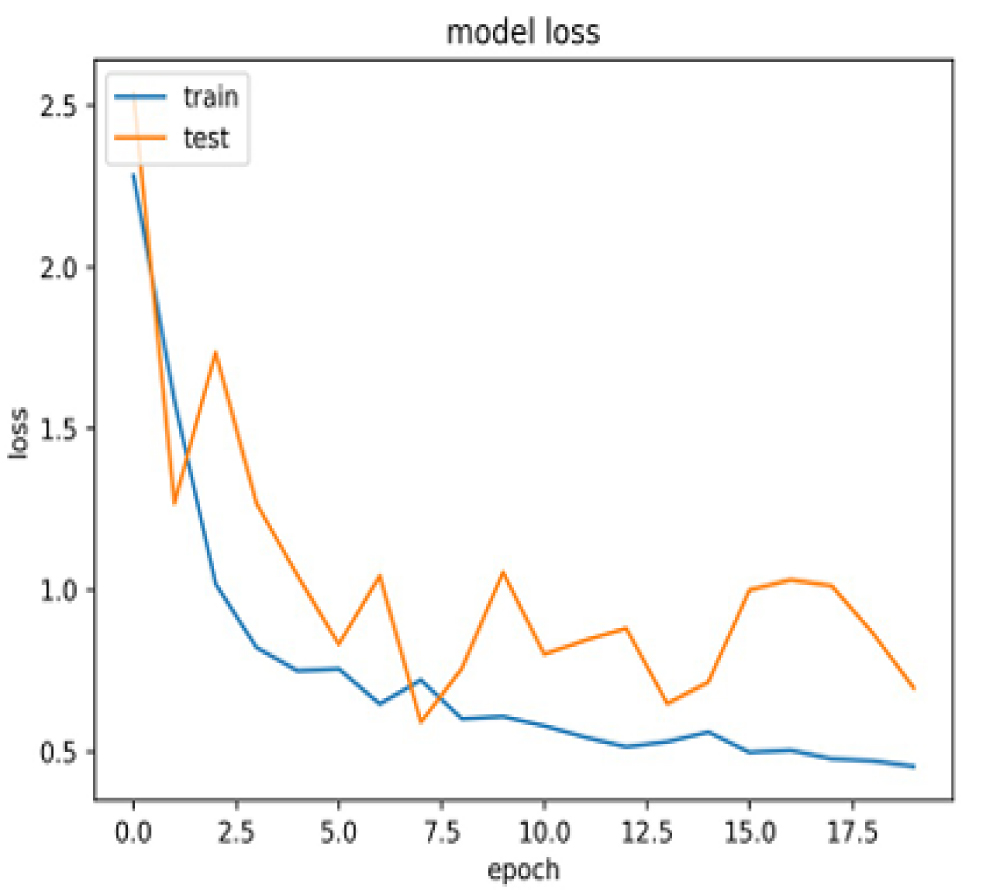
Figure 5: Loss graph.

Figure 6: Login page.

Figure 7: Registration page

Figure 8: Upload image interface
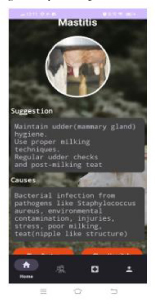
Figure 9: Upload image interface
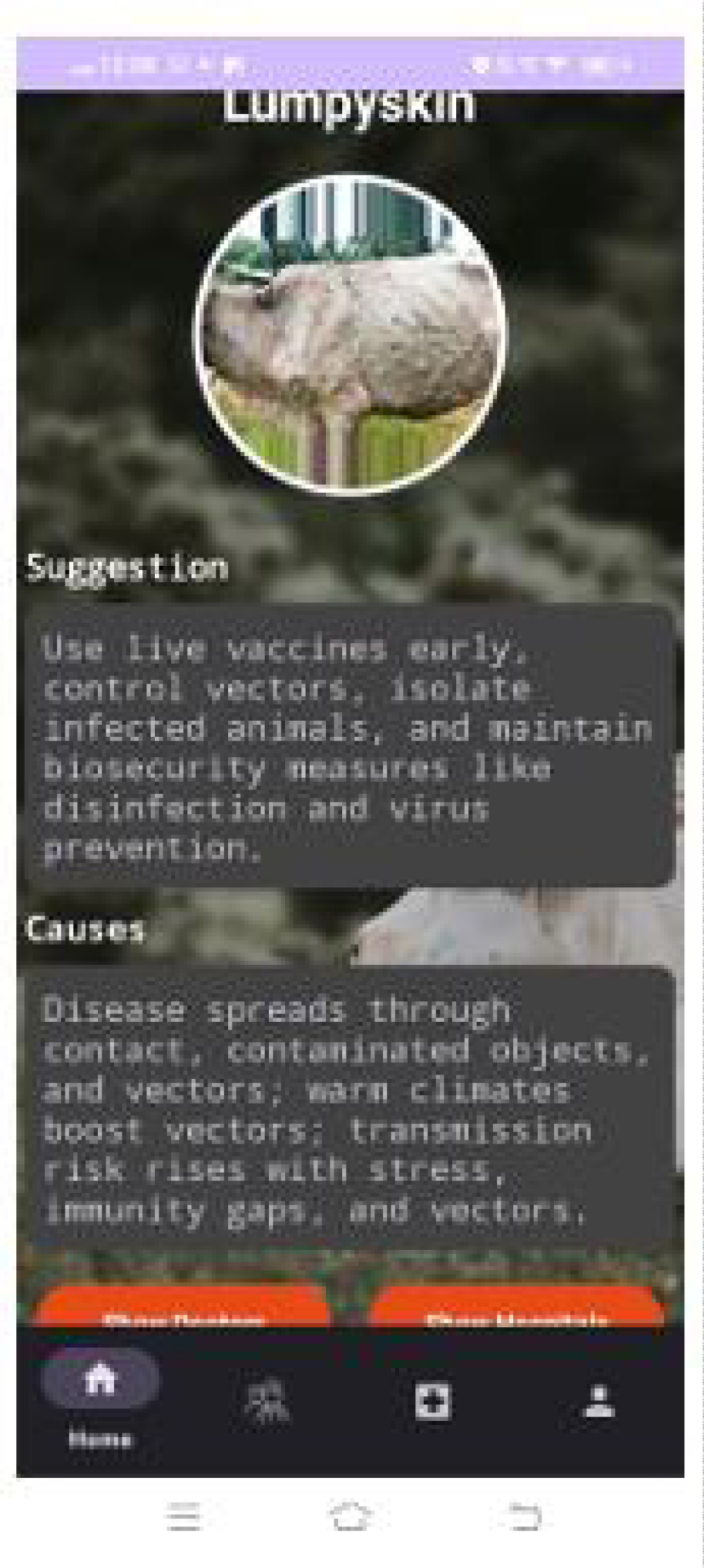
Figure 10a: Detection of lumphy.
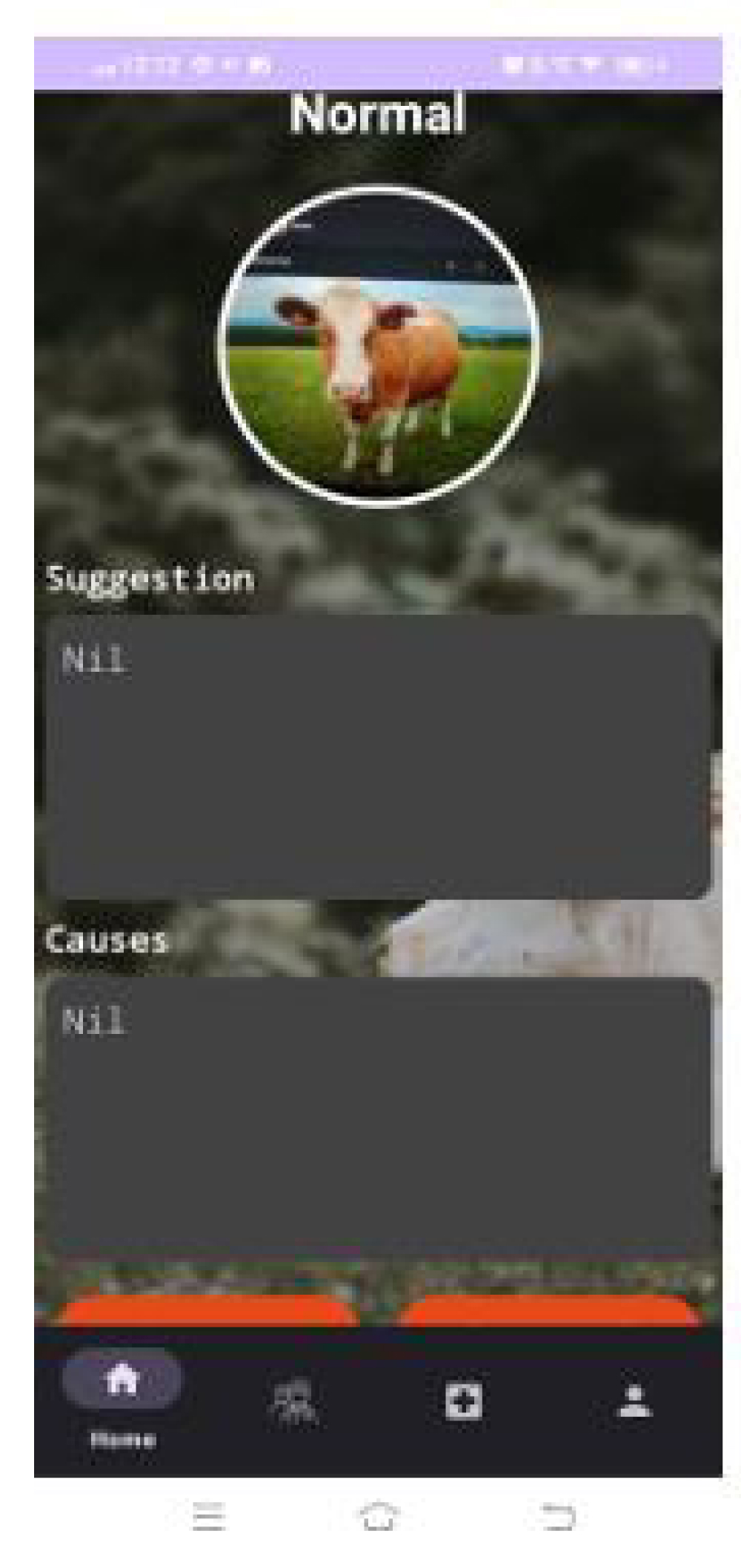
Figure 10b: Normal cow skin.
References
-
Chaudhry AA, Mumtaz R, Zaidi SMH, et al. (2020) Internet of Things (IoT) and machine learning (ML) enabled livestock monitoring. In 2020 IEEE 17th International Conference on Smart Communities: Improving Quality of Life Using ICT, IoT and AI (HONET). 151-155.
-
Mohan A, Raju RD, Janarthanan P. (2019) Animal disease diagnosis expert system using convolutional neural networks. In 2019 IEEE International Conference on Intelligent Sustainable Systems (ICISS). 441-446.
-
Vuppalapati C, Vuppalapati R, Kedari S, et al. (2018) Artificial intelligence (AI) infused cow necklace-for diagnosis of bovine respiratory diseases. In 2018 International Conference on Machine Learning and Cybernetics (ICMLC). 222-229.
-
Taneja M, Byabazaire J, Davy A, et al. (2018). Fog assisted application support for animal behaviour analysis and health monitoring in dairy farming. In 2018 IEEE 4th World Forum on Internet of Things (WF-IoT). 819-824.
-
Syarif I, Ahsan AS, Al Rasyid, et al. (2019) Health monitoring and early diseases detection on dairy cow based on internet of things and intelligent system. In 2019 International Electronics Symposium (IES). 183-188.
-
Tanyildizl E, Yildirim G. (2019) Performance comparison of classification algorithms for the diagnosis of mastitis disease in dairy animals. In 2019 7th International Symposium on Digital Forensics and Security (ISDFS). 1-4.
-
Abe M. (2019) Risk-sharing model of foot-and-Mouth disease outbreak in Japan. In 2019 IEEE 8th Global Conference on Consumer Electronics (GCCE). 775- 777.
-
Singh P, Prakash J, Srivastava J. (2023) Lumpy skin disease virus detection on animals through machine learning method. In 2023 Third International Conference on Secure Cyber Computing and Communication (ICSCCC). 481-486.
-
Nadar A, Sane A, Muga G, et al. (2023) Animal healthcare and farm animal disease prediction using machine learning. In 2023 5th Biennial International Conference on Nascent Technologies in Engineering (ICNTE). 1-6.
-
Mekha P, Osathanunkul K. (2020) Web application for sick animals health monitoring system. In 2020 IEEE Joint International Conference on Digital Arts, Media and Technology with ECTI Northern Section Conference on Electrical, Electronics, Computer and Telecommunications Engineering (ECTI DAMT & NCON). 123-127.
-
Feng Y, Niu H, Wang F, et al. (2021) SocialCattle: IoT-based mastitis detection and control through social cattle behavior sensing in smart farms. IEEE Internet of Things Journal. 9(12): 10130-10138.
-
Nam MG, Dong SY. (2023) Classification of companion animals' ocular diseases: Domain adversarial learning for imbalanced data. IEEE Access.
-
Taneja M, Jalodia N, Malone P, et al. (2019) Connected cows: Utilizing fog and cloud analytics toward data-driven decisions for smart dairy farming. IEEE Internet of Things Magazine. 2(4): 32-37.
-
Chatterjee PS, Ray NK, Mohanty SP. (2021) LiveCare: An IoT-based healthcare framework for livestock in smart agriculture. IEEE Transactions on Consumer Electronics. 67(4): 257-265.
-
Pakrashi A, Ryan C, Guéret C, et al. (2023) Early detection of subclinical mastitis in lactating dairy cows using cow-level features. J Dairy Sci. 106(7): 4978-4990.