
Abstract
Abstract
In the evolving landscape of software development, test automation is becoming increasingly critical for ensuring high-quality releases at speed. This paper explores the transformative potential of integrating AI-driven predictive analytics into test automation frameworks. By leveraging advanced machine learning algorithms, predictive models, and data-driven insights, this approach aims to optimize test coverage, enhance defect detection and improve the overall efficiency of the testing process. The paper details the key techniques involved in implementing predictive analytics in test automation, presents case studies highlighting its impact, and discusses the challenges and future directions of this innovative approach. The introduction of predictive analytics into the domain of test automation represents a paradigm shift. It allows testing to not only be automated but also be intelligent, enabling the identification of potential issues before they manifest in production environments. This shift from reactive to proactive testing is essential in a world where software is becoming increasingly complex, and the costs associated with defects are growing exponentially.
Figures

Figure 1:

Figure 2:
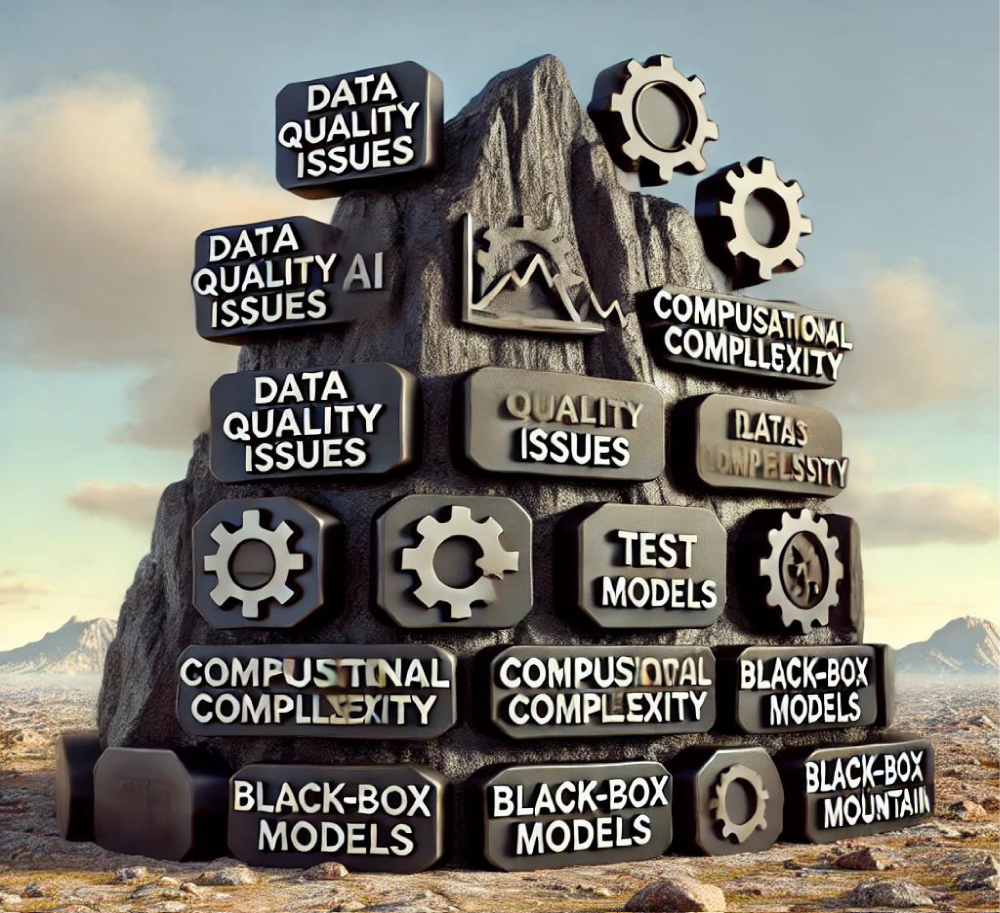
Figure 4:
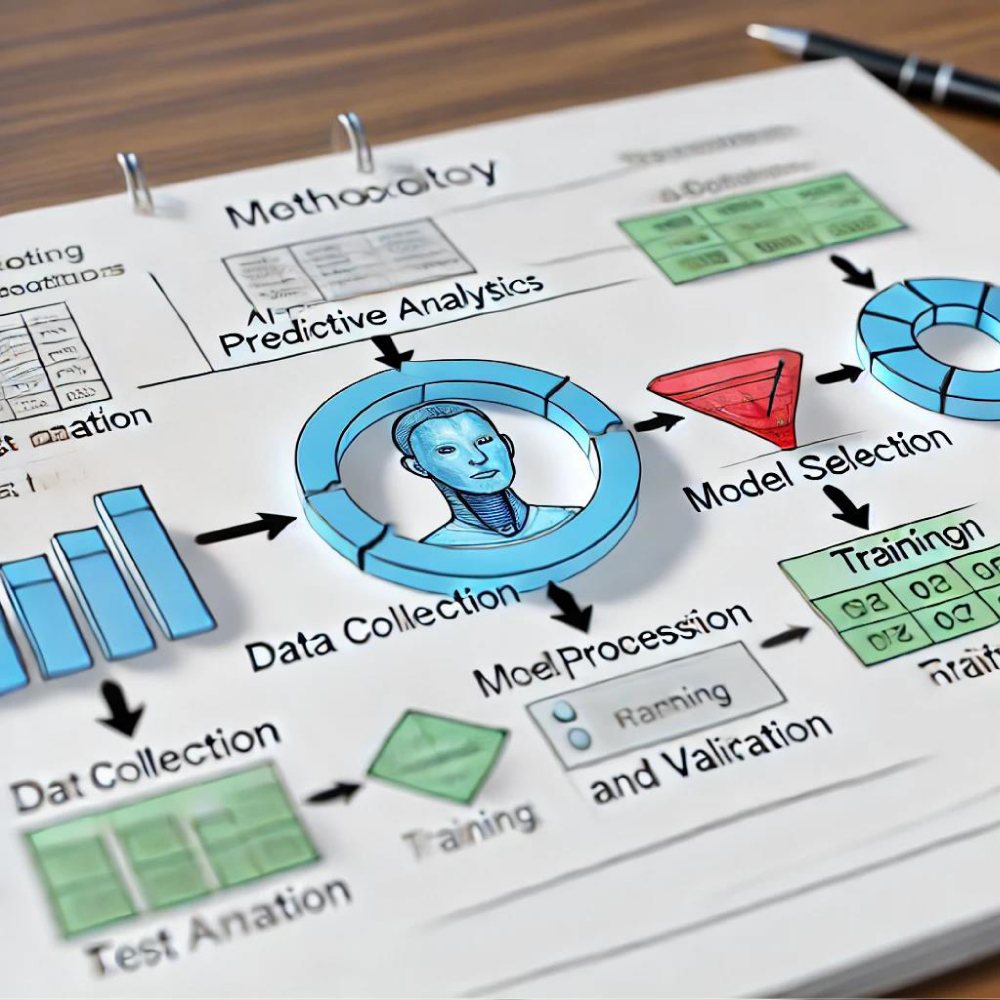
Figure 3:
References
-
Smith J, Brown A. (2022) Leveraging Machine Learning in Software Testing: A Comprehensive Review. J Soft Eng Res Dev. 10(4): 245-267.
-
Zhang Y, Li H. (2021) Predictive Analytics in Software Testing: Techniques and Applications. IEEE Transactions on Software Engineering. 47(8): 1557-1574.
-
Johnson P, Davis K. (2020) Integrating AI and Machine Learning into Continuous Testing: A Case Study. Proceedings of the 14th International Conference on Software Quality Engineering. 98-107.
-
Miller R, Thompson S. (2021) Adaptive Testing Frameworks: Leveraging AI for Improved Test Automation. Software Testing, Verification & Reliability, 31(6): 1204-1220.
-
Nguyen T, Tran V. (2019) Data-Driven Approaches to Test Automation: Enhancing Predictive Accuracy with Machine Learning. J Info Soft Technol. 114: 1-12.